The hardest part of a renovation is not the building. It is working out what the thing should cost before you commit, so you can tell a fair quote from a fantasy one.
These are the 2026 figures for home renovations Cape Town homeowners are working with, drawn from what South African contractors and cost guides are publishing this year.
Home renovations Cape Town budget ranges
Broadly, renovations fall into three tiers.
Cosmetic refresh. Repainting, new flooring, updated light fittings, hardware and minor repairs. Published ranges put this at roughly R50,000 to R150,000 for a three-bedroom home.
Mid-range renovation. A kitchen or bathroom remodel with some finishes elsewhere. Generally from about R150,000, climbing toward R500,000 on a small house.
Full renovation. A complete overhaul of a three-bedroom home in Cape Town is commonly quoted between roughly R380,000 and R820,000, with per square metre rates in the region of R2,500 to R5,000 and higher for premium work.
Room by room
Kitchens and bathrooms carry most of the cost because of plumbing, waterproofing and fittings.
Kitchen renovations in Cape Town: a focused refresh runs roughly R80,000 to R160,000, while a full mid-range remodel commonly needs an allowance from about R180,000 upward.
Bathrooms: a cosmetic refresh sits around R35,000 to R80,000. A full strip to brick with waterproofing, re-tiling and new sanitaryware is typically R60,000 to R180,000 depending on specification.
Rooms without plumbing are much cheaper per square metre, which is why moving a kitchen or bathroom is one of the costliest decisions in any renovation.
The Cape Town coastal premium
Renovating near the sea costs more, and it is not a myth. Published guidance puts a coastal premium of roughly 15 to 20 percent on Western Cape work, driven by marine-grade materials and corrosion-resistant fixings.
Heritage areas add another layer. Approvals take longer and specifications are more restrictive, both of which cost money before a single wall moves.
Wind and driving rain also raise the standard for waterproofing and sealing. Cutting corners there is what produces damp problems two winters later.
What pushes a budget over
Three things account for most overruns.
Moving services. Relocating plumbing, drainage or a distribution board is expensive and often triggers other work.
What you find when you open up. Older Cape Town homes hide rotten timbers, failed waterproofing and old wiring. Hold back a contingency of at least ten percent, and closer to twenty on an older property.
Changing your mind mid-build. Decisions made after work starts cost far more than the same decision made on paper.
Getting comparable quotes
Give every contractor the same written scope. Quotes for different scopes cannot be compared, and the cheapest one is often simply the one that left the most out.
Check what is excluded. Look for provisional sums, which are placeholders rather than fixed prices, and ask what happens if the actual cost exceeds them.
Agree a payment schedule tied to completed stages rather than dates, and get variations priced in writing before the work is done.
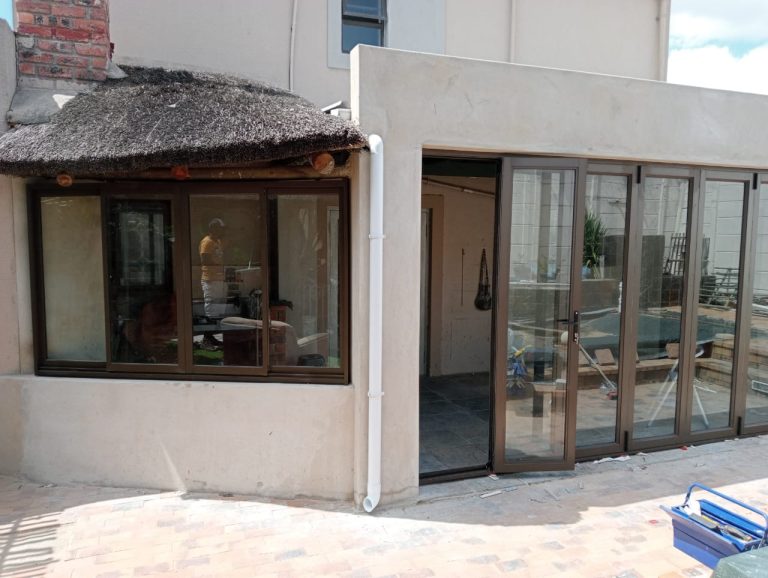
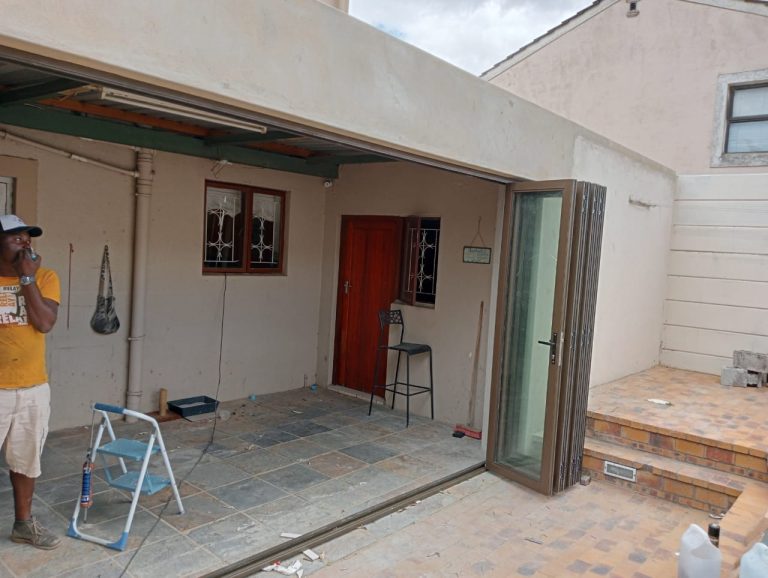
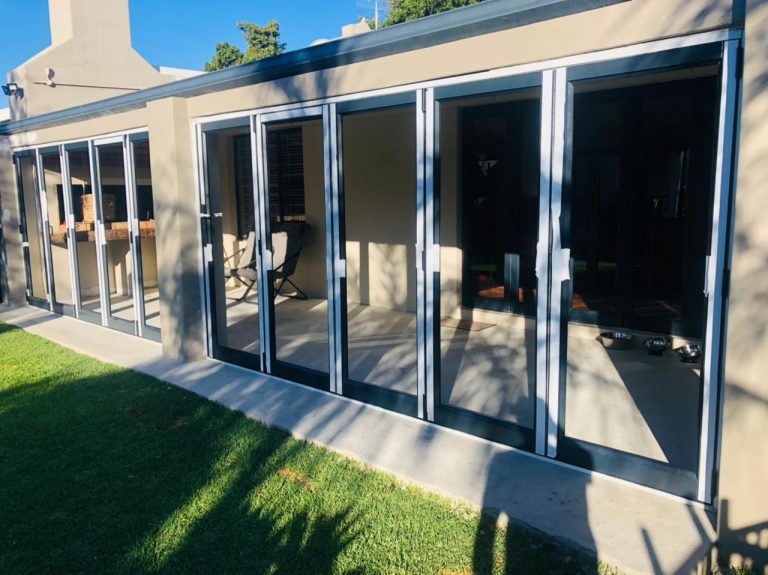
We handle renovations, alterations and home improvements across Cape Town, including aluminium doors and windows, ceilings, painting and flooring under one contractor. Quotations are free and without obligation. See past projects in the gallery, view our full services, or get in touch.
Replacing windows as part of the work? Current aluminium window prices and our epoxy flooring cost guide will help you build the line items.
Sequencing home renovations Cape Town projects properly
Order of work saves more money than haggling over rates. The rule is simple: anything that makes mess or dust comes before anything that gets finished.
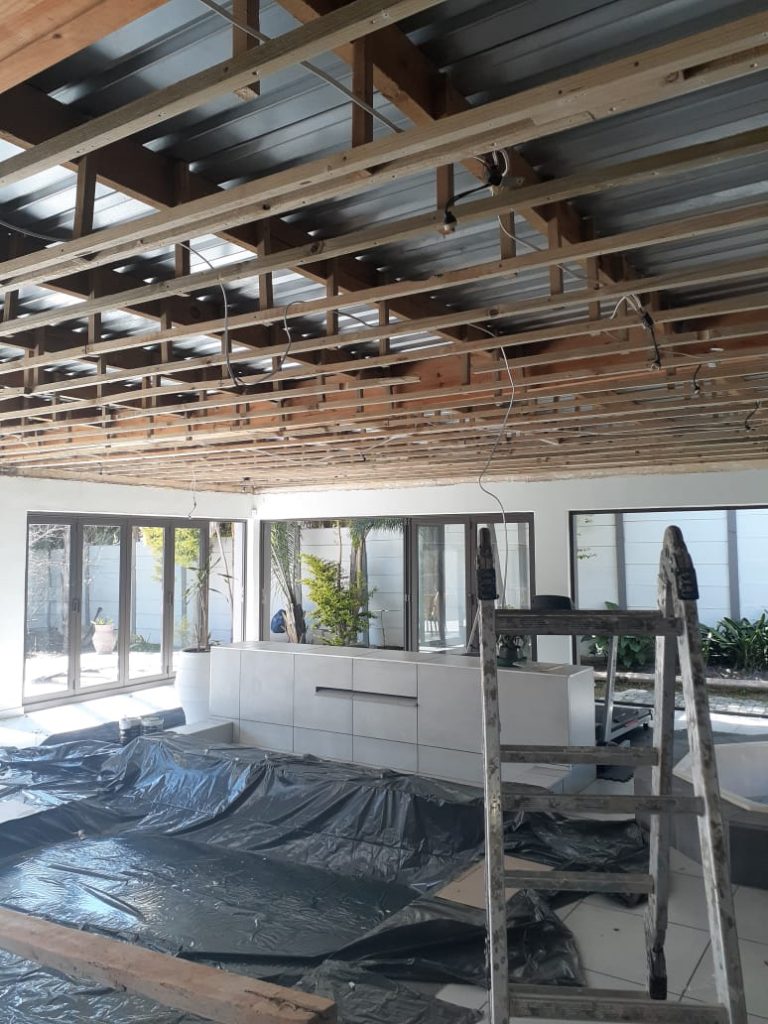
Structural work and roofing first. Then services, meaning plumbing and electrical first fix. Then plaster, ceilings and windows. Painting and floor finishes last, because putting a new epoxy floor down before the ceiling work is finished guarantees you pay for it twice.
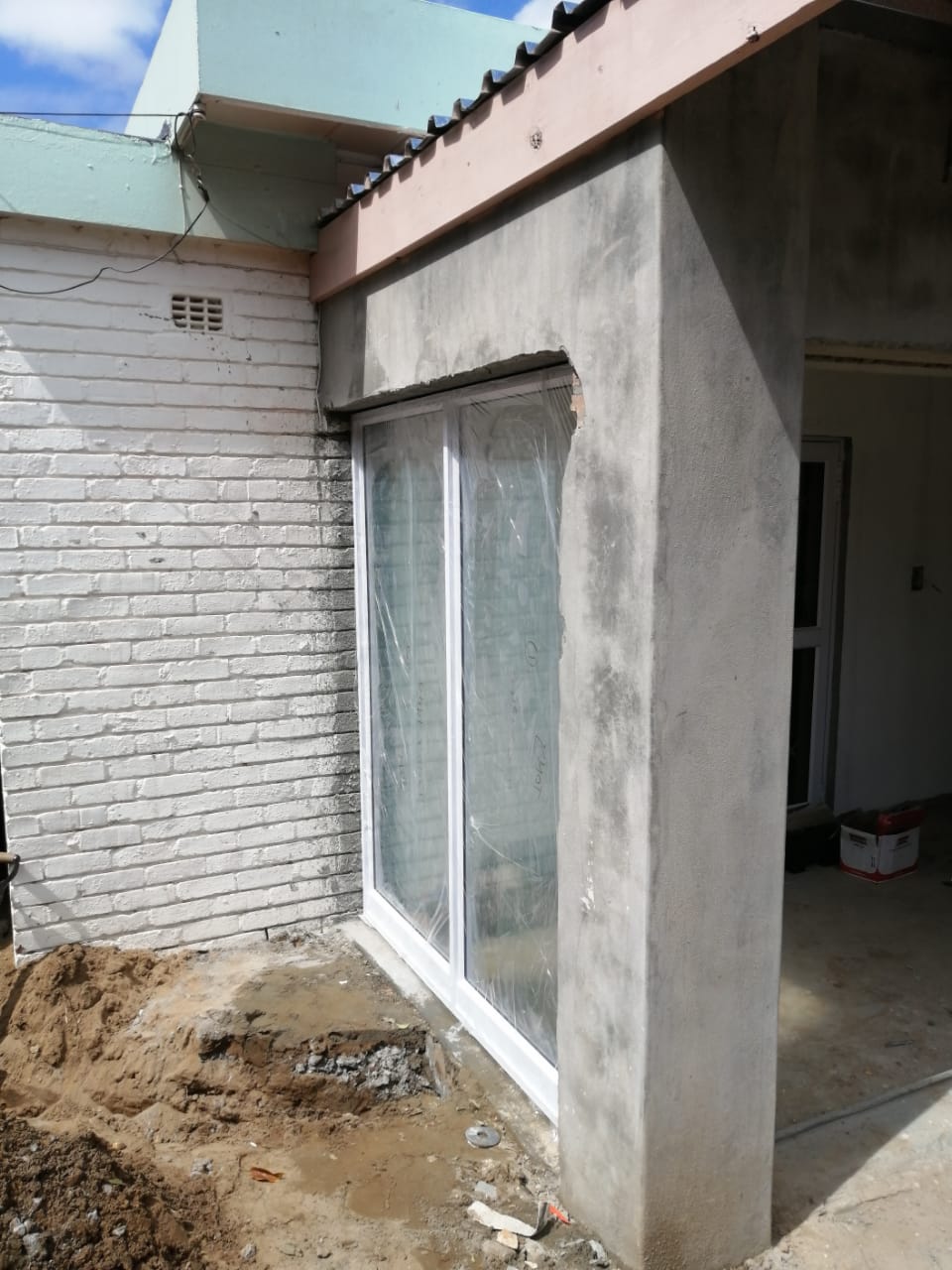
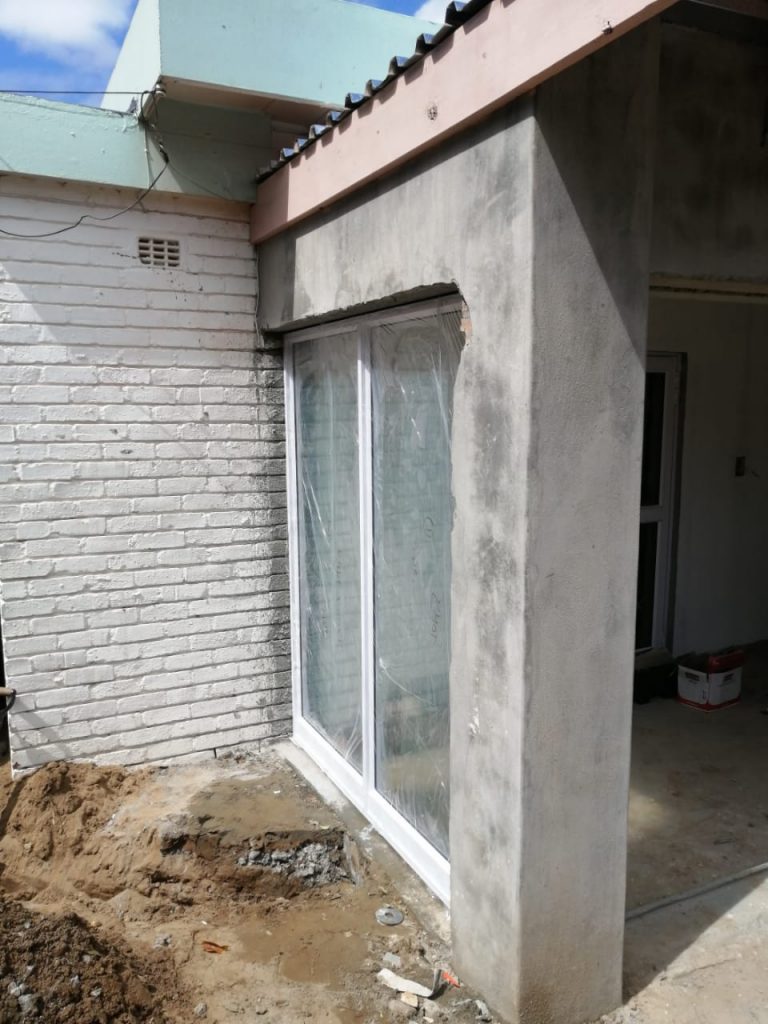
Window replacement sits in the middle of that sequence. Doing it before plastering means the plasterer makes good around the new frames once, rather than a second trade returning later.
Where to spend and where to hold back
Spend on what is expensive to change later and on what protects the building. Waterproofing, drainage, electrical work and window quality all fall into that category. These are invisible when done well and ruinous when done badly.
Hold back on things that are easy to upgrade later. Light fittings, tap ware, cupboard fronts and paint colours can all be improved in a few years without opening a wall. Choosing mid-range now and better later is a perfectly sensible strategy on a tight budget.
If you are choosing frames as part of the work, the comparison in aluminium versus wooden windows covers the long-term cost side, and there are finished projects in the gallery.
Frequently asked questions
How much does a home renovation cost in Cape Town?
A cosmetic refresh of a three-bedroom home runs roughly R50,000 to R150,000. Mid-range work starts around R150,000. A full renovation is commonly R380,000 to R820,000, or about R2,500 to R5,000 per square metre.
What does a kitchen renovation cost in Cape Town?
A focused refresh is roughly R80,000 to R160,000. A full mid-range kitchen renovation generally needs an allowance from about R180,000 upward depending on cabinetry and appliances.
Why do coastal renovations cost more?
Marine-grade materials and corrosion-resistant fixings carry a premium of roughly 15 to 20 percent in the Western Cape. Higher waterproofing and sealing standards for wind-driven rain add to it.
How much contingency should I allow?
At least ten percent, and closer to twenty percent on an older property. Hidden damage such as rot, failed waterproofing and outdated wiring is common once walls and ceilings are opened up.
Do I need plans approved for a renovation?
Structural changes, extensions and anything altering the building footprint generally need municipal approval. Like-for-like replacement and internal finishes usually do not. Heritage areas have stricter rules, so check before you start.